Ways to Expand Organic Results on Autopilot

Build your pattern, confirm the demand, track the entire set with FreeSERP, and cut anything thin before Google does it for you. Do that, and you get the scale without the penalty.
Want more visitors to find your site through Google and bring in more organic traffic, however unsure where to begin? The excellent news is that increasing natural traffic does not need an enormous spending plan or a group of SEO specialists. It requires the right strategy, applied regularly. In this guide, we'll stroll you through 13 tested suggestions (that I have actually evaluated myself) to increase natural traffic to your website, from the foundational actions most individuals avoid to the techniques that are winning in search right now.
When somebody types a concern into Google and clicks a result that isn't a paid advertisement, that click counts as natural traffic.
Ranking Secrets to Dominate the CompetitionHow to Expand Organic Results on Autopilot
Here's why: paid traffic stops the minute you stop paying. Organic traffic, when developed correctly, keeps flowing. A well-optimized page can drive constant visitors for months or perhaps years after it's published. Driving organic traffic to your website depends mainly on SEO, a set of strategies that help your pages rank greater in search engine result.
Now, let's take a look at precisely how to make that happen. These 13 techniques are bought to build on each other. I 'd suggest beginning from the top and working your way down for the fastest outcomes. Before you create new material or chase brand-new keywords, discover out what's currently holding your site back.
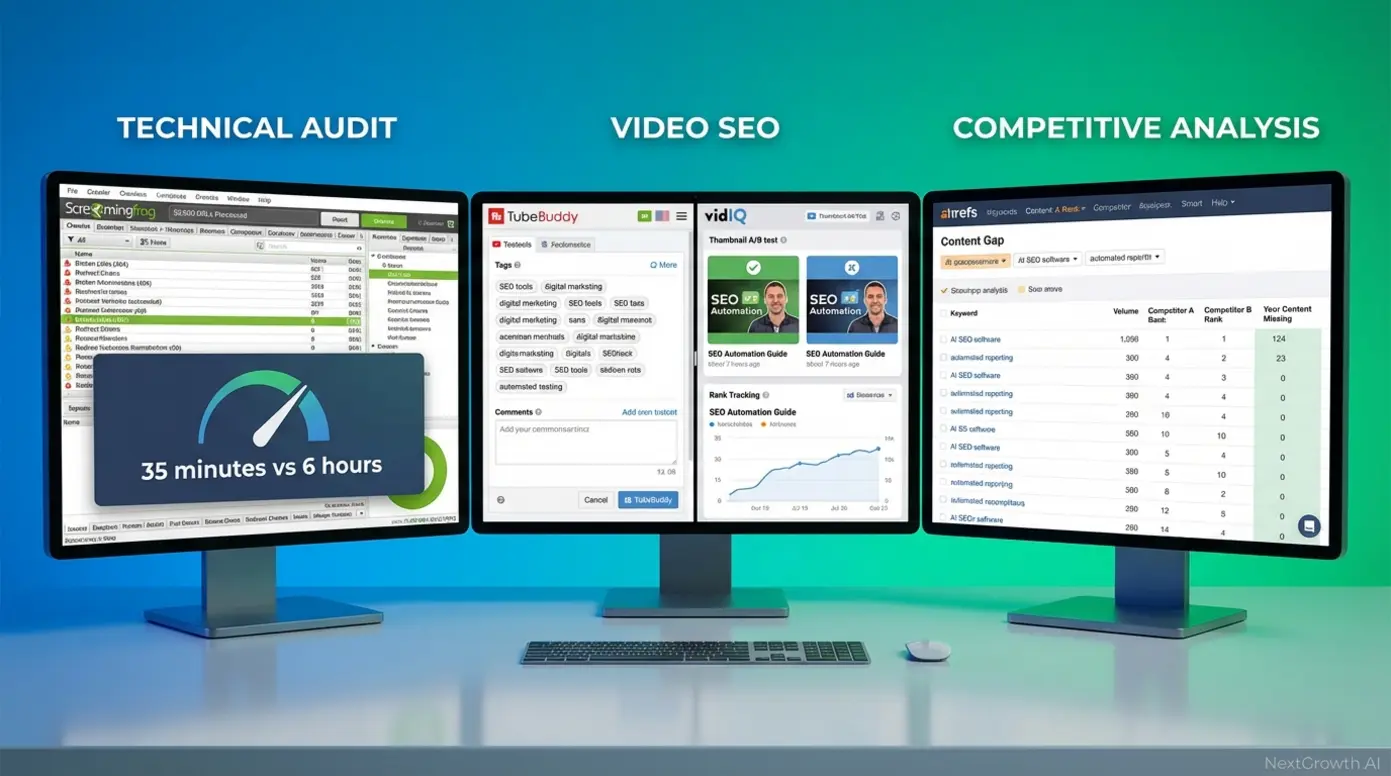
Common concerns an audit reveals include broken links, missing meta descriptions, slow page load speeds, duplicate content, and pages that are difficult for online search engine to crawl and index. Fixing these problems initially indicates every other technique on this list will work better. If you use WordPress, AIOSEO's SEO Checklist provides you a comprehensive site audit straight in your dashboard.
For a step-by-step walkthrough, examine out our guide on how to do an SEO audit in WordPress. Keywords are the words and expressions your audience types into online search engine when looking for material like yours. Choosing the ideal ones is the difference between content that ranks and content that no one finds.
Boosting ROI via Automated Digital Strategies
It exceeds simply search volume data and determines the low-hanging chances for quick wins. Browse intent is the factor a user is browsing. Google's top concern is matching search results page to what users actually want. If your material does not line up with that intent, it won't rank, no matter how well-optimized it is.
The user wishes to reach a particular website or page (e.g., "AIOSEO login"). The user is investigating before making a purchase (e.g., "finest WordPress SEO plugins"). The user is prepared to buy or act (e.g., "purchase AIOSEO Pro"). Before composing any piece of material, browse your target keyword and take a look at what the top 5 results are doing.
Match it, and your chances of ranking enhance substantially. Matching search intent likewise enhances your click-through rate (CTR) and lowers your bounce rate, both of which signal to online search engine that your material is serving its purpose. On-page SEO refers to all the optimizations you make directly on a page to help it rank greater.
Getting these right on every page is one of the most dependable methods to improve your natural rankings. Here are a couple of high-impact on-page SEO factors to focus on: Include your main keyword near the beginning. Keep it under 60 characters so it doesn't get cut off in search engine result.
Utilize your primary keyword in your H1 and consist of secondary keywords naturally in your H2 and H3 headings. Explain every image with pertinent alt text so online search engine can understand your visuals. Keep URLs short and keyword-rich (e.g., ). AIOSEO's TruSEO Score makes on-page optimization easy for WordPress users. It analyzes your content in genuine time and offers you a score in addition to specific, actionable ideas for improvement, all straight inside the WordPress editor.
Modern Business Systems Architectures for SEO
Google's top priority is matching search results to what users in fact desire. If your content doesn't align with that intent, it won't rank, no matter how well-optimized it is.
The user wishes to reach a specific website or page (e.g., "AIOSEO login"). The user is investigating before purchasing (e.g., "finest WordPress SEO plugins"). The user is prepared to purchase or do something about it (e.g., "buy AIOSEO Pro"). Before writing any piece of material, browse your target keyword and look at what the top 5 outcomes are doing.
Match it, and your opportunities of ranking enhance substantially. Matching search intent likewise improves your click-through rate (CTR) and decreases your bounce rate, both of which signal to browse engines that your material is serving its function. On-page SEO describes all the optimizations you make straight on a page to assist it rank higher.
Getting these right on every page is one of the most trustworthy ways to enhance your natural rankings. Here are a few high-impact on-page SEO elements to focus on: Include your primary keyword near the start. Keep it under 60 characters so it does not get cut off in search results page.
Actionable Tips for Optimizing Global Presence
Utilize your primary keyword in your H1 and include secondary keywords naturally in your H2 and H3 headings. Describe every image with relevant alt text so search engines can understand your visuals. It evaluates your material in real time and offers you a rating along with specific, actionable tips for improvement, all directly inside the WordPress editor.