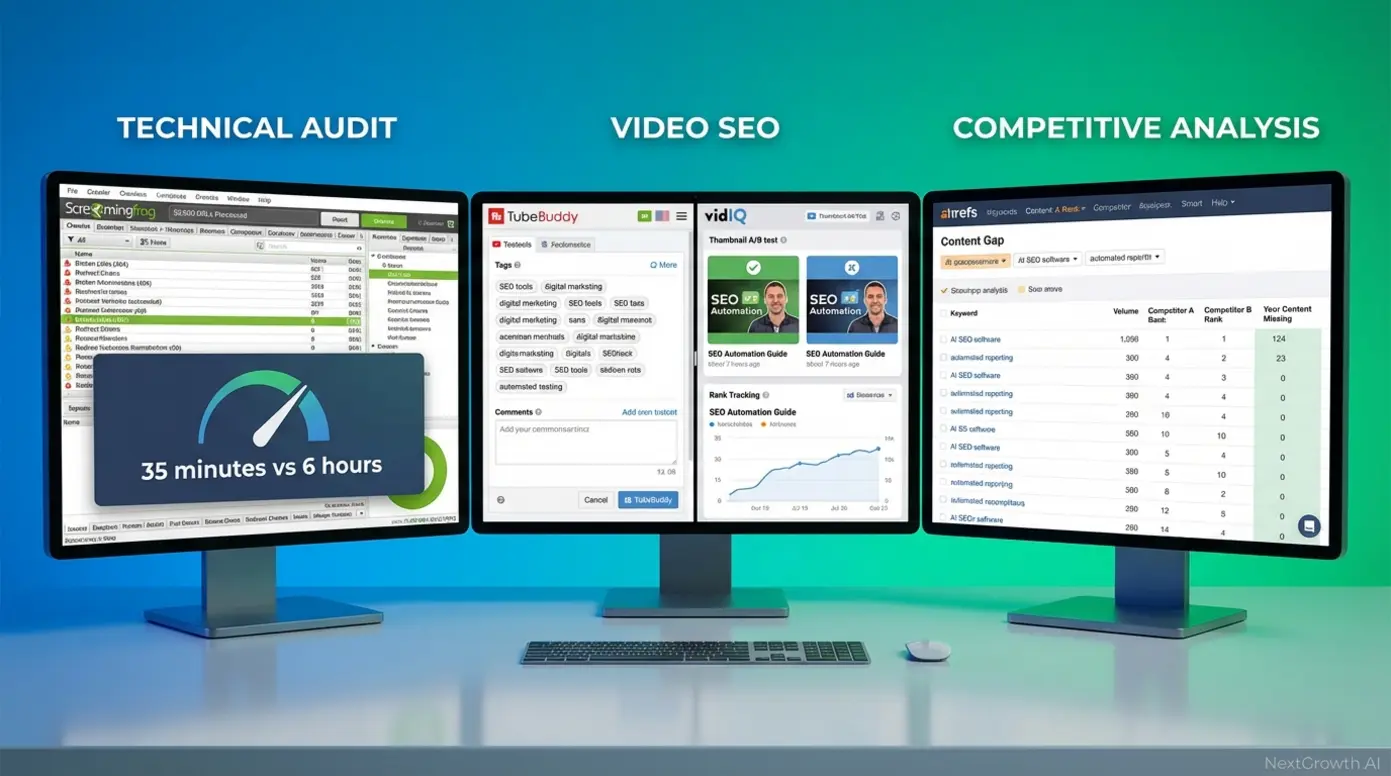
Manual vs Automated Search Methods

Programmatic SEO is one template, countless pages, aimed at the long tail. They're not competitors, they're colleagues. A lot of strong sites use editorial material for their cash keywords and programmatic pages to blanket the long tail underneath.programmatic SEO This isn't theory. Some of the greatest sites online are largely programmatic: ranks for endless "Connect [App A] with [App B] searches, constructed from its app directory.
Each of these rests on a really useful dataset. The pages aren't cushioning. They respond to a specific question with specific, hard-to-fake information. Every programmatic SEO job comes down to 4 pieces. Miss one and the entire thing wobbles. You need a repeatable search pattern with a set head and swappable modifiers.
Validate that people in fact browse these mixes before you construct, since a pattern nobody queries produces thousands of pages nobody wants. Your data has to be distinct or uncommonly well organised, since that's what makes each page worth existing.
GSA SER global sitelistIf your dataset is something a competitor can copy in an afternoon, your pages have no defensible edge. One template, engineered to be truly practical when populated. It needs vibrant headings, special introduction text per page, the information set out clearly, and structured markup. The trap here is templates so rigid that every page reads identically other than for one swapped word.
Thousands of pages are ineffective if Google can't find them. You need automated internal linking, related-page modules, center pages, and clean sitemaps so spiders can in fact reach the whole set.
Actionable Tips for Optimizing Search Visibility
If the long tail is dead, stop now. Put together clean, structured, genuinely useful data. This is 80% of the work. Make a single page so excellent you 'd enjoy to release it on its own, then integrate it. Release 20 to 50 pages, not 5,000. Test whether they index and rank.
Display which pages rank and which remain unnoticeable, then enhance or cut the dead weight. A staged rollout lets you catch thin-content problems on 30 pages rather of finding out about them throughout 5,000 after a ranking drop.
A rank tracker like FreeSERP lets you monitor rankings throughout the entire set at as soon as, so you can see which templates and modifiers are pulling their weight and which combinations produced dead pages worth pruning. When you're running programmatic pages, that bulk exposure isn't a nice-to-have, it's how you keep the project healthy.
In March 2024, Google rolled out a policy. It targets pages mass-produced mainly to manipulate rankings, providing little unique value, and here's the key detail: it uses regardless of whether those pages were made by AI, by automation, or by humans.
If each page carries real, location-specific data a searcher genuinely wants, it passes. Special data per page is the whole distinction between programmatic SEO and spam.
Modern Business Systems Architectures for SEO
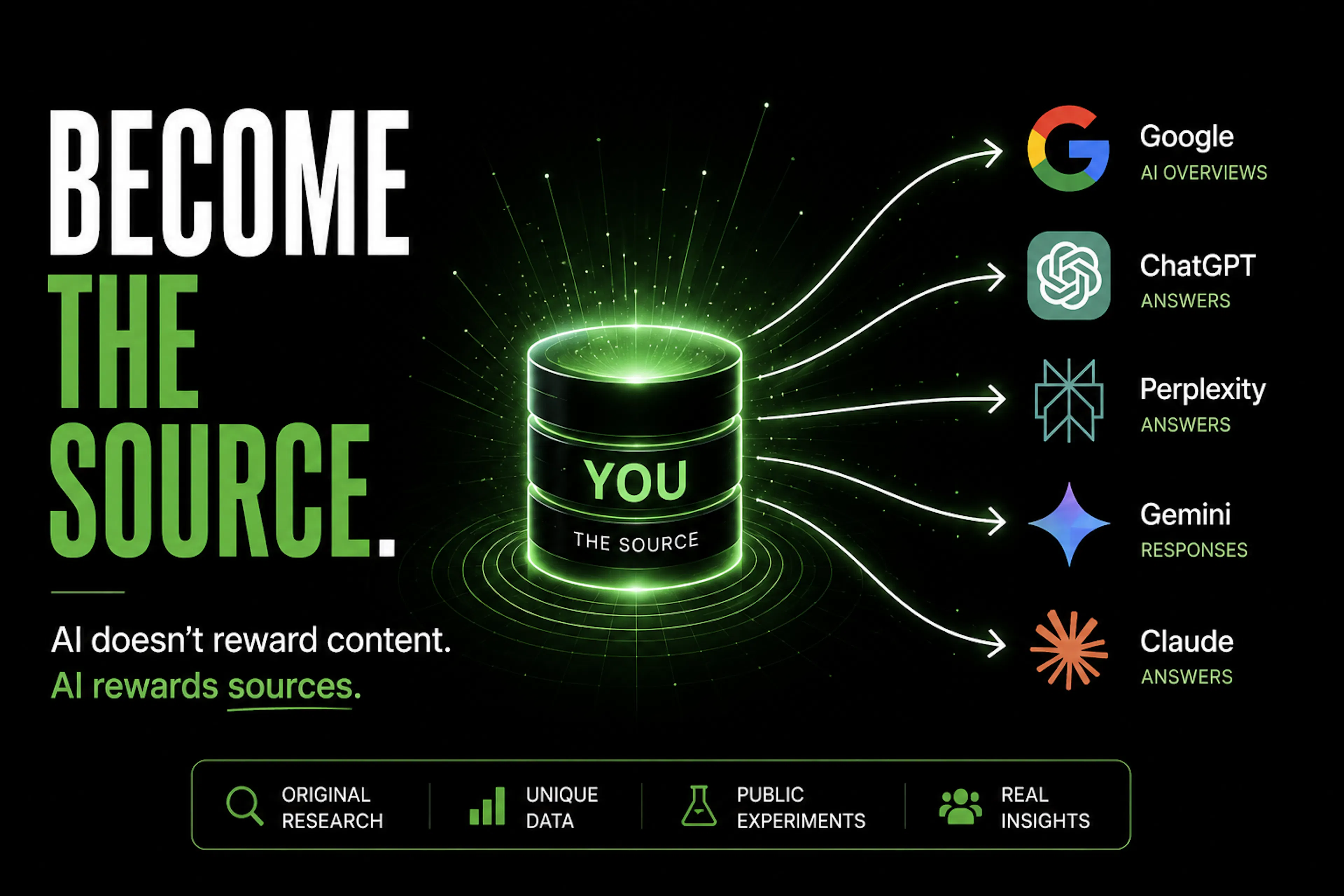
When everybody else ships thin AI filler, a programmatic set developed on authentic, structured information stands apart more than ever, and it's far easier for AI answer engines to mention too, which is where the GEO upside lives. You don't need a business stack. A typical setup includes an information source (spreadsheets, a database, or an API), a CMS or website framework that supports templating (WordPress with the best setup, Webflow CMS,, or comparable), a keyword tool to verify need, and a rank tracker to measure results throughout the full page set.
There's no minimum. Some jobs run 50 pages, others run 500,000. What matters is that a real, repeatable search pattern exists and each page makes its place with special value. Absolutely. A small site with one really helpful dataset can out-rank far bigger rivals on the long tail. Wanderer List proved a single creator can do it.
Develop your pattern, confirm the need, track the whole set with FreeSERP, and cut anything thin before Google does it for you. Do that, and you get the scale without the charge.
The good news is that increasing natural traffic does not require an enormous budget plan or a group of SEO specialists. In this guide, we'll walk you through 13 proven tips (that I've checked myself) to increase natural traffic to your website, from the foundational actions a lot of people avoid to the methods that are winning in search right now.
GSA SER global sitelistIn This Article AIOSEO is the very best WordPress SEO plugin. Get it for totally free! Organic traffic is the visitors who come to your website through unsettled online search engine outcomes. When somebody types a question into Google and clicks an outcome that isn't a paid ad, that click counts as organic traffic.
Revealing Advanced Ranking Insights for 2026
Organic traffic, when constructed properly, keeps flowing. A well-optimized page can drive consistent visitors for months or even years after it's released.
These 13 techniques are ordered to build on each other. Before you develop new content or chase brand-new keywords, discover out what's currently holding your website back.
Typical issues an audit reveals consist of broken links, missing meta descriptions, slow page load speeds, replicate content, and pages that are challenging for search engines to crawl and index. Fixing these issues initially implies every other technique on this list will work much better. If you use WordPress, AIOSEO's SEO List offers you a comprehensive website audit directly in your dashboard.
Methods for Grow Search Traffic on Autopilot
For a detailed walkthrough, have a look at our guide on how to do an SEO audit in WordPress. Keywords are the words and phrases your audience types into search engines when searching for material like yours. Picking the best ones is the distinction in between content that ranks and content that nobody discovers.